
Kenya · Tanzania
Kenya and Tanzania: intensive small group safari.
Kenya and Tanzania: intensive small group safari.
Duration
13 days
Start/End
Nairobi/Kilimanjaro
Tour type
Group
Level
Easy
Accommodation
Hotels, hostels and tent camps
Overview
On this small-group tour with a maximum of six guests you experience some of East Africa's most varied safari regions. In a 4x4 with pop-up roof and a guaranteed window seat you travel from Nairobi via the Masai Mara and Tsavo West to Tanzania – to Mkomazi National Park, Tarangire, the Serengeti and the Ngorongoro Crater.
On this 13-day small-group tour of Kenya and Tanzania, you'll discover some of East Africa's most diverse safari regions. The journey takes you from Nairobi, through the Masai Mara and Tsavo West National Park, to Tanzania, where the itinerary includes Mkomazi National Park, Tarangire, the Serengeti, and the Ngorongoro Crater. You'll travel in a small group of no more than six people in a 4x4 off-road vehicle with a pop-up roof. All passengers are guaranteed a window seat. In addition to well-known safari regions like the Masai Mara and Serengeti, we've deliberately included less-visited areas and diverse landscapes in the itinerary. An experienced local guide fluent in German will accompany you on your journey, acting as both driver and guide. This continuous route offers safaris in the Masai Mara, Tsavo West, Mkomazi, and Tarangire National Parks, as well as the Serengeti, complemented by tranquil, secluded nature reserves. A highlight is the Ngorongoro Crater, which offers exceptional wildlife viewing opportunities in a pristine ecosystem. The tour also encompasses diverse landscapes, from savannas and volcanic regions to lush highlands, along with insights into the lives and cultures of the people along the way. This small group tour combines Kenya and Tanzania in 13 days and can be extended to suit the client's taste, for example with a beach stay in Zanzibar.
Tour Code
Tour language

 German, English
Itinerary
Day 1
Welcome to Kenya – Welcome to Kenya
Hotel Trademark
Your journey begins with a highlight: Nairobi, the capital of Kenya and a major hub in East Africa. Upon arrival, you will be met at the airport and transferred to your accommodation. During the transfer, you'll get a first glimpse of the area. The rest of the day is free for you to explore at your own pace, settle in, and begin your first discoveries. Nairobi was founded in the late 19th century and quickly became a major transportation hub. The city uniquely blends history and modernity and is considered one of the most diverse in the region. Modern business districts coexist with established residential areas and vibrant markets. At the same time, nature is readily accessible. Just a few kilometers from the city center lies Nairobi National Park, where you can observe wildlife in its natural habitat. This coexistence of urban life and wildlife is unique in the world. Nairobi also offers a rich cultural scene. Museums and galleries provide a glimpse into the country's history, from pre-colonial times to the present day. Shops, small workshops, and local restaurants along the streets showcase the daily life and diversity of the ethnic groups that live together in Nairobi.
Welcome to Kenya – Welcome to Kenya
Day 1
Hotel Trademark
Your journey begins with a highlight: Nairobi, the capital of Kenya and a major hub in East Africa. Upon arrival, you will be met at the airport and transferred to your accommodation. During the transfer, you'll get a first glimpse of the area. The rest of the day is free for you to explore at your own pace, settle in, and begin your first discoveries. Nairobi was founded in the late 19th century and quickly became a major transportation hub. The city uniquely blends history and modernity and is considered one of the most diverse in the region. Modern business districts coexist with established residential areas and vibrant markets. At the same time, nature is readily accessible. Just a few kilometers from the city center lies Nairobi National Park, where you can observe wildlife in its natural habitat. This coexistence of urban life and wildlife is unique in the world. Nairobi also offers a rich cultural scene. Museums and galleries provide a glimpse into the country's history, from pre-colonial times to the present day. Shops, small workshops, and local restaurants along the streets showcase the daily life and diversity of the ethnic groups that live together in Nairobi.
Your accommodation: Hotel Trademark
1 night · Double room · Breakfast The Trademark Hotel is located in the Gigiri district, a quiet, leafy area of Nairobi that is also home to important international institutions, such as the headquarters of the United Nations Environment Programme. The district is orderly and relaxed, offering a pleasant contrast to the bustling city center. The international airport is approximately 25 kilometers away and easily accessible. The hotel is part of the Village Market, a modern and stylish shopping center with a diverse selection of restaurants, cafes, and shops. We recommend taking some time to settle in and explore the surrounding area after your arrival. The hotel combines modern design with open spaces, natural materials, and abundant natural light, creating a welcoming atmosphere. The rooms are comfortably furnished, with a focus on tranquility and relaxation. Vibrant colors and thoughtful details ensure guests can quickly settle in and unwind. The Trademark Hotel is especially suitable for the start of your journey, as it combines a peaceful environment with good transport links and a wide range of on-site services, ensuring a pleasant transition to the days ahead.
Day 2
Nairobi – Masai Mara Game Reserve
Fig Tree Camp
approx. 5 h
Today your safari through Kenya and Tanzania begins, and you'll travel to the Masai Mara, one of Africa's most famous game reserves. During the journey, the landscape changes dramatically, with vast plains increasingly dominating the scenery. After arriving at your lodge, you'll have time to settle in before setting off on your first game drive. The Masai Mara owes its name to the Maasai people, who have inhabited this region for generations. "Mara" means "speckled" in their language and describes the vast savanna with its scattered trees and shrubs. This area is one of the richest regions in the continent in terms of wildlife and offers ideal conditions for a great diversity of species. The Masai Mara is part of a vast ecosystem that extends to the Serengeti in Tanzania. This region is particularly famous for the annual migration, when large herds of wildebeest, zebras, and gazelles cross the plains in search of fresh pastures. During your first safari, you'll be able to experience this unique landscape firsthand. With a bit of luck, you might even spot giraffes, elephants, or predators roaming freely in their natural habitat.
Nairobi – Masai Mara Game Reserve
Day 2
Fig Tree Camp
approx. 5 h
Today your safari through Kenya and Tanzania begins, and you'll travel to the Masai Mara, one of Africa's most famous game reserves. During the journey, the landscape changes dramatically, with vast plains increasingly dominating the scenery. After arriving at your lodge, you'll have time to settle in before setting off on your first game drive. The Masai Mara owes its name to the Maasai people, who have inhabited this region for generations. "Mara" means "speckled" in their language and describes the vast savanna with its scattered trees and shrubs. This area is one of the richest regions in the continent in terms of wildlife and offers ideal conditions for a great diversity of species. The Masai Mara is part of a vast ecosystem that extends to the Serengeti in Tanzania. This region is particularly famous for the annual migration, when large herds of wildebeest, zebras, and gazelles cross the plains in search of fresh pastures. During your first safari, you'll be able to experience this unique landscape firsthand. With a bit of luck, you might even spot giraffes, elephants, or predators roaming freely in their natural habitat.
Your accommodation: Fig Tree Camp
2 nights · Double room · Full board Fig Tree Camp is located in the heart of the Masai Mara and offers a classic safari experience immersed in nature. Surrounded by vast plains and diverse wildlife, the camp blends harmoniously into the landscape and provides direct access to the park. Accommodation consists of permanent tents that combine comfort with a direct connection to nature. They are spacious and feature private bathrooms and amenities designed to ensure a pleasant stay. Details such as seating areas and a tranquil environment allow guests to relax between safaris. In the central area of the camp, you'll find a restaurant and bar serving meals. Here you can relax and reflect on the day's experiences. The swimming pool also offers a refreshing break. Wi-Fi is available in the common areas. Fig Tree Camp combines proximity to wildlife with a high level of comfort and is the ideal starting point for exploring the Masai Mara.
Day 3
Maasai Mara
Fig Tree Camp
Today we'll be focusing on intensive wildlife observation. We'll set off early this morning for our first safari, when temperatures are still pleasant and many animals are particularly active. After a rest at our accommodation, another tour of the vast reserve awaits us this afternoon. The landscape consists of open plains with rolling hills, crisscrossed by rivers such as the Mara and the Talek. These water sources are vital for many animal species and shape the region's ecosystem. The landscape changes dramatically with the seasons. During the rainy season, numerous streams appear and then dry up, thus influencing the natural rhythms of the wildlife. With a little patience and attention, numerous animals can be observed today. In addition to elephants, buffalo, and giraffes, predators such as lions and leopards also inhabit this area. The open spaces usually offer excellent visibility, making wildlife viewing particularly impressive. The birdlife is also extraordinarily diverse. Many different species are native to the area and provide an additional spectacle during tours through the savanna.
Maasai Mara
Day 3
Fig Tree Camp
Today we'll be focusing on intensive wildlife observation. We'll set off early this morning for our first safari, when temperatures are still pleasant and many animals are particularly active. After a rest at our accommodation, another tour of the vast reserve awaits us this afternoon. The landscape consists of open plains with rolling hills, crisscrossed by rivers such as the Mara and the Talek. These water sources are vital for many animal species and shape the region's ecosystem. The landscape changes dramatically with the seasons. During the rainy season, numerous streams appear and then dry up, thus influencing the natural rhythms of the wildlife. With a little patience and attention, numerous animals can be observed today. In addition to elephants, buffalo, and giraffes, predators such as lions and leopards also inhabit this area. The open spaces usually offer excellent visibility, making wildlife viewing particularly impressive. The birdlife is also extraordinarily diverse. Many different species are native to the area and provide an additional spectacle during tours through the savanna.
Day 4
Masai Mara – Reserva de Swara Plains
Swara Acacia Lodge
approx. 6 h
Today you continue your journey, leaving behind the vast plains of the Masai Mara and heading south. The route takes you back through diverse landscapes, passing through rural areas and small settlements, until you finally reach the Athi River region. After arriving at your lodge, you will have time to rest before your first game drive this afternoon. Swara Plains Nature Reserve is a private reserve that deliberately distinguishes itself from the classic safari experience. Within its manageable area, it offers a tranquil and less crowded environment where wildlife roams freely. Expansive grasslands, scattered acacia trees, and several waterholes characterize the area and attract a wide variety of animals, including antelope, giraffes, ostriches, and, with a bit of luck, cheetahs or hyenas. Its sheltered location and the lower number of visitors create a more personal and immersive wildlife experience. The birdlife is also rich and varied, offering numerous opportunities for birdwatching.
Masai Mara – Reserva de Swara Plains
Day 4
Swara Acacia Lodge
approx. 6 h
Today you continue your journey, leaving behind the vast plains of the Masai Mara and heading south. The route takes you back through diverse landscapes, passing through rural areas and small settlements, until you finally reach the Athi River region. After arriving at your lodge, you will have time to rest before your first game drive this afternoon. Swara Plains Nature Reserve is a private reserve that deliberately distinguishes itself from the classic safari experience. Within its manageable area, it offers a tranquil and less crowded environment where wildlife roams freely. Expansive grasslands, scattered acacia trees, and several waterholes characterize the area and attract a wide variety of animals, including antelope, giraffes, ostriches, and, with a bit of luck, cheetahs or hyenas. Its sheltered location and the lower number of visitors create a more personal and immersive wildlife experience. The birdlife is also rich and varied, offering numerous opportunities for birdwatching.
Your accommodation: Swara Acacia Lodge
1 night · Double room · Full board Nestled in the tranquil landscape along the banks of the Athi River, south of Nairobi, Swara Acacia Lodge offers a pleasant retreat from the hustle and bustle of the city. Its location within a private reserve creates a relaxed atmosphere, allowing guests to enjoy nature and wildlife in a peaceful setting. The lodge features several independent cabins scattered throughout the property, ensuring ample privacy. The comfortably furnished accommodations offer a pleasant blend of functionality and comfort, ideal for arriving and unwinding after a busy day. A selection of local and international dishes awaits you at the open-air restaurant. The lodge also boasts a bar and a swimming pool, perfect for cooling off on hot days.
Day 5
Swara Plains Nature Reserve – Ziwani Wildlife Sanctuary
Voyager Ziwani Tent Camp
approx. 5 h
Today you'll continue your journey south, venturing into Kenya near the Tanzanian border. The landscape changes again, becoming more arid, characterized by open fields and scattered groves of trees. After arriving at your accommodation, you'll have time to relax before embarking on your first afternoon exploration. The Ziwani Wildlife Sanctuary is nestled among vast protected areas. Unlike national parks, the priority here is not size, but proximity to nature and a mindful experience of the environment. River landscapes, small watering holes, and open savannas alternate, creating habitats for a wide variety of animals. The region is closely linked to the development of the railway in East Africa. The line, which connects the interior to the coast, runs partly through protected nature reserves and is therefore operated with particular care for the environment. Trains travel at relatively low speeds, blending into the landscape so that animals are not disturbed and can even be occasionally observed near the tracks. This unique combination of infrastructure and nature makes the line unparalleled to this day. In the afternoon, they will go on a vehicle safari in the surrounding area. The tranquil atmosphere and proximity to waterways make this region particularly diverse and offer a fascinating glimpse into wildlife.
Swara Plains Nature Reserve – Ziwani Wildlife Sanctuary
Day 5
Voyager Ziwani Tent Camp
approx. 5 h
Today you'll continue your journey south, venturing into Kenya near the Tanzanian border. The landscape changes again, becoming more arid, characterized by open fields and scattered groves of trees. After arriving at your accommodation, you'll have time to relax before embarking on your first afternoon exploration. The Ziwani Wildlife Sanctuary is nestled among vast protected areas. Unlike national parks, the priority here is not size, but proximity to nature and a mindful experience of the environment. River landscapes, small watering holes, and open savannas alternate, creating habitats for a wide variety of animals. The region is closely linked to the development of the railway in East Africa. The line, which connects the interior to the coast, runs partly through protected nature reserves and is therefore operated with particular care for the environment. Trains travel at relatively low speeds, blending into the landscape so that animals are not disturbed and can even be occasionally observed near the tracks. This unique combination of infrastructure and nature makes the line unparalleled to this day. In the afternoon, they will go on a vehicle safari in the surrounding area. The tranquil atmosphere and proximity to waterways make this region particularly diverse and offer a fascinating glimpse into wildlife.
Your accommodation: Voyager Ziwani Tented Camp
2 nights · Double room · Full board Nestled on the edge of a private reserve near the Tanzanian border, Voyager Ziwani is surrounded by a tranquil, water-filled landscape. Its location on the shores of a small reservoir creates a unique atmosphere. Accommodation consists of comfortable, permanent tents that blend harmoniously into the environment. Spacing them out well, they offer a sense of peace and quiet. The furnishings are both functional and inviting, providing a perfect retreat after a day on safari. A central area with a restaurant and lounge invites guests to contemplate the water. With a bit of luck, you might even spot some wildlife from here. The atmosphere changes noticeably throughout the day, especially at sunset, when the sounds of nature become more prominent. Voyager Ziwani is characterized by its serene surroundings and offers a deliberately relaxed experience, where the focus is not on a multitude of activities, but on fully enjoying the environment.
Day 6
Tsavo West National Park
Voyager Ziwani Tent Camp
Today we'll dedicate the day to wildlife observation in the region surrounding Tsavo West National Park. We'll go on safaris in off-road vehicles both in the morning and afternoon, exploring different areas of this diverse landscape. Tsavo West is one of Kenya's largest protected areas and forms part of the vast Tsavo ecosystem, which covers much of the southeast of the country. Established in 1948, it is one of Kenya's oldest national parks. To this day, it remains a vital refuge for numerous animal species and plays a key role in wildlife conservation efforts in Kenya. The landscape differs markedly from that of other regions of the country. Volcanic rocks, solidified lava fields, and rolling hills bear witness to the geological past and the East African Rift Valley. Interspersed among these landscapes are open plains, dense scrubland, and verdant areas along waterways, providing habitat for a wide variety of animals. Birdwatching is also particularly rewarding in this region, as many species are endemic. This day offers you an in-depth view of the diversity and natural dynamics of this very special protected area.
Tsavo West National Park
Day 6
Voyager Ziwani Tent Camp
Today we'll dedicate the day to wildlife observation in the region surrounding Tsavo West National Park. We'll go on safaris in off-road vehicles both in the morning and afternoon, exploring different areas of this diverse landscape. Tsavo West is one of Kenya's largest protected areas and forms part of the vast Tsavo ecosystem, which covers much of the southeast of the country. Established in 1948, it is one of Kenya's oldest national parks. To this day, it remains a vital refuge for numerous animal species and plays a key role in wildlife conservation efforts in Kenya. The landscape differs markedly from that of other regions of the country. Volcanic rocks, solidified lava fields, and rolling hills bear witness to the geological past and the East African Rift Valley. Interspersed among these landscapes are open plains, dense scrubland, and verdant areas along waterways, providing habitat for a wide variety of animals. Birdwatching is also particularly rewarding in this region, as many species are endemic. This day offers you an in-depth view of the diversity and natural dynamics of this very special protected area.
Day 7
Tsavo West – Mkomazi National Park
Campsite overlooking Mkomazi
approx. 2.5 h
Today you leave Kenya and cross the border into Tanzania. This moment marks an important transition in your journey, as crossing the border not only changes the landscape but also the atmosphere. Your route takes you to northern Tanzania, where you will eventually reach Mkomazi National Park. After arriving at your lodge, you will embark on your first game drive this afternoon. Mkomazi National Park is one of the least visited protected areas in the country. For a long time, the area was remote and virtually undeveloped. Only in recent decades have conservation efforts in the park been systematically expanded, especially with regard to endangered species. The park plays a vital role in the protection of the black rhinoceros. A small but growing population of 30 to 40 individuals currently lives in a strictly protected area of the park. African wild dogs also find an important refuge here. Several packs of these rare predators, which are among Africa's most threatened species, inhabit the region. In addition to these projects, Mkomazi is also home to species uncommon in other regions, such as the oryx antelope and the gerenuk, which often stands on its hind legs to reach leaves. The vast plains and acacia landscapes give the area a clear and open atmosphere, quite different from the denser regions seen previously.
Tsavo West – Mkomazi National Park
Day 7
Campsite overlooking Mkomazi
approx. 2.5 h
Today you leave Kenya and cross the border into Tanzania. This moment marks an important transition in your journey, as crossing the border not only changes the landscape but also the atmosphere. Your route takes you to northern Tanzania, where you will eventually reach Mkomazi National Park. After arriving at your lodge, you will embark on your first game drive this afternoon. Mkomazi National Park is one of the least visited protected areas in the country. For a long time, the area was remote and virtually undeveloped. Only in recent decades have conservation efforts in the park been systematically expanded, especially with regard to endangered species. The park plays a vital role in the protection of the black rhinoceros. A small but growing population of 30 to 40 individuals currently lives in a strictly protected area of the park. African wild dogs also find an important refuge here. Several packs of these rare predators, which are among Africa's most threatened species, inhabit the region. In addition to these projects, Mkomazi is also home to species uncommon in other regions, such as the oryx antelope and the gerenuk, which often stands on its hind legs to reach leaves. The vast plains and acacia landscapes give the area a clear and open atmosphere, quite different from the denser regions seen previously.
Your accommodation: Camp overlooking Mkomazi
1 night · Double room · Full board Mkomazi View Camp is located in the remote northwest area of Mkomazi National Park in Tanzania and opened in early 2022. Nestled in the Watershed Valley, not far from the rhino sanctuary and Dindira Dam, this small camp offers a peaceful alternative to the busier safari areas in the country. With just six to eight spacious safari tents, the camp is deliberately small, offering a personal and immersive experience in nature. Each tent has its own bathroom with an outdoor shower and a deck overlooking the surrounding landscape. The central area features a dining tent, a lounge, a bar, and a fire pit. From here and from the tents, you can enjoy panoramic views of the plains, where it's possible to spot giraffes, zebras, antelopes, and elephants, among other wildlife. The camp is powered entirely by solar energy. In addition to safaris in off-road vehicles, guided walks through the savanna are also offered, where you can learn more about the region's flora and fauna. Thanks to its secluded location and manageable size, Mkomazi View Camp is especially suitable for travelers seeking peace, tranquility and intense experiences in nature, away from the more well-known safari routes.
Day 8
Mkomazi National Park – Arusha
Our stay in Lima
approx. 3.5 h
After a leisurely breakfast overlooking the surrounding landscape, you will depart Loitoktok and head towards Arusha. The journey, approximately three to four hours long, will take you through diverse landscapes, passing through small villages, open plains, and agricultural regions of northern Tanzania. Located at the foot of Mount Meru, Arusha is the main tourist center in northern Tanzania and the starting point for numerous safaris. The volcano, approximately 4,500 meters high, dominates the entire region, and its forested slopes create a pleasant climate and fertile landscapes. Coffee plantations, small farms, and lush vegetation characterize the area surrounding the city. Upon arrival, you will check into the cozy Our Stay Mlima room, where you will have time to relax and enjoy the peaceful atmosphere. In the afternoon, you can participate in the Sidai Beading Workshop, a two-hour cultural experience led by local Maasai women. During the workshop, you will learn traditional beading techniques and discover the significance of colors, patterns, and jewelry in Maasai culture. You will also learn about the work of the women's cooperative, which combines craftsmanship, cultural knowledge, and income opportunities. And, of course, you will create your own piece of jewelry as a personal memento of this special experience. (Workshop cost: approximately $35 USD per person).
Mkomazi National Park – Arusha
Day 8
Our stay in Lima
approx. 3.5 h
After a leisurely breakfast overlooking the surrounding landscape, you will depart Loitoktok and head towards Arusha. The journey, approximately three to four hours long, will take you through diverse landscapes, passing through small villages, open plains, and agricultural regions of northern Tanzania. Located at the foot of Mount Meru, Arusha is the main tourist center in northern Tanzania and the starting point for numerous safaris. The volcano, approximately 4,500 meters high, dominates the entire region, and its forested slopes create a pleasant climate and fertile landscapes. Coffee plantations, small farms, and lush vegetation characterize the area surrounding the city. Upon arrival, you will check into the cozy Our Stay Mlima room, where you will have time to relax and enjoy the peaceful atmosphere. In the afternoon, you can participate in the Sidai Beading Workshop, a two-hour cultural experience led by local Maasai women. During the workshop, you will learn traditional beading techniques and discover the significance of colors, patterns, and jewelry in Maasai culture. You will also learn about the work of the women's cooperative, which combines craftsmanship, cultural knowledge, and income opportunities. And, of course, you will create your own piece of jewelry as a personal memento of this special experience. (Workshop cost: approximately $35 USD per person).
Your accommodation: Our Stay Mlima
1 night · Double room · Breakfast Our Stay Mlima is a small, modern lodge located on the outskirts of Arusha, ideal for relaxing before or after a safari. Surrounded by a well-maintained garden, the lodge combines a peaceful atmosphere with easy access to the airport and the city's main attractions. The rooms are comfortably furnished and feature private bathrooms, comfortable beds, Wi-Fi, and modern, elegant décor. Large windows provide plenty of natural light and create a welcoming atmosphere. The restaurant serves fresh dishes with local and international influences. The garden, terrace, and small pool offer a chance to relax after a long flight or an exciting safari. Thanks to the personalized attention and family atmosphere, Our Stay Mlima is especially suitable for travelers looking for comfortable and quiet accommodation with individual charm in Arusha.
Day 9
Arusha – Tarangire National Park – Mosquito River
Mawe Mawe Hostel
approx. 2 h
Today you will continue your journey to Tarangire National Park. The route will take you through the highlands and eventually through drier, more open landscapes. As you leave Arusha, the vegetation changes, giving way to vast plains and scattered giant trees. After arriving at your accommodation, you will begin your first explorations of the park. Tarangire National Park is famous for its large herds of elephants, which roam the landscape in family groups. Especially during the dry season, many animals congregate along the Tarangire River, one of the few permanent water sources in the region, playing a crucial role. This creates impressive concentrations of wildlife that make the park such a special place. Also characteristic of Tarangire are the majestic baobab trees. Some of these trees are several centuries old, and their massive trunks dominate the landscape. They store water in their trunks and are an important part of the ecosystem. In addition to elephants, buffalo, giraffes, and various antelope species can also be seen. Predators such as lions are also native to the region. Furthermore, the park boasts one of the greatest bird diversity areas in Tanzania. More than 500 different species have been recorded, including resident and migratory birds, which can be observed in the region depending on the season. During the morning and evening safaris, you will explore the park's different habitats and gain a comprehensive view of the diversity of its landscape and wildlife.
Arusha – Tarangire National Park – Mosquito River
Day 9
Mawe Mawe Hostel
approx. 2 h
Today you will continue your journey to Tarangire National Park. The route will take you through the highlands and eventually through drier, more open landscapes. As you leave Arusha, the vegetation changes, giving way to vast plains and scattered giant trees. After arriving at your accommodation, you will begin your first explorations of the park. Tarangire National Park is famous for its large herds of elephants, which roam the landscape in family groups. Especially during the dry season, many animals congregate along the Tarangire River, one of the few permanent water sources in the region, playing a crucial role. This creates impressive concentrations of wildlife that make the park such a special place. Also characteristic of Tarangire are the majestic baobab trees. Some of these trees are several centuries old, and their massive trunks dominate the landscape. They store water in their trunks and are an important part of the ecosystem. In addition to elephants, buffalo, giraffes, and various antelope species can also be seen. Predators such as lions are also native to the region. Furthermore, the park boasts one of the greatest bird diversity areas in Tanzania. More than 500 different species have been recorded, including resident and migratory birds, which can be observed in the region depending on the season. During the morning and evening safaris, you will explore the park's different habitats and gain a comprehensive view of the diversity of its landscape and wildlife.
Your accommodation: Mawe Mawe Lodge
1 night · Double room · Full board Mawe Mawe Manyara Lodge enjoys a picturesque location on the edge of the Great Rift Valley and offers breathtaking views of Lake Manyara and the surrounding landscape. Its tranquil setting makes it the ideal place to relax after exciting days on safari and enjoy nature in a unique environment. The lodge features spacious, independent villas, elegantly designed with natural materials. Each villa offers complete privacy, a comfortable bedroom, a modern bathroom, a private terrace, and a private pool overlooking the surrounding landscape. The tasteful décor blends modern amenities with African touches, creating a warm and inviting atmosphere. The heart of the resort is the open-plan main building, which houses a restaurant, bar, and lounge. From here, guests enjoy spectacular views of the Rift Valley. An infinity pool and several panoramic terraces invite guests to immerse themselves in the surroundings and experience the region's unique atmosphere.
Day 10
Mosquito River – Serengeti National Park
Narudi Tent Camp
approx. 5 h
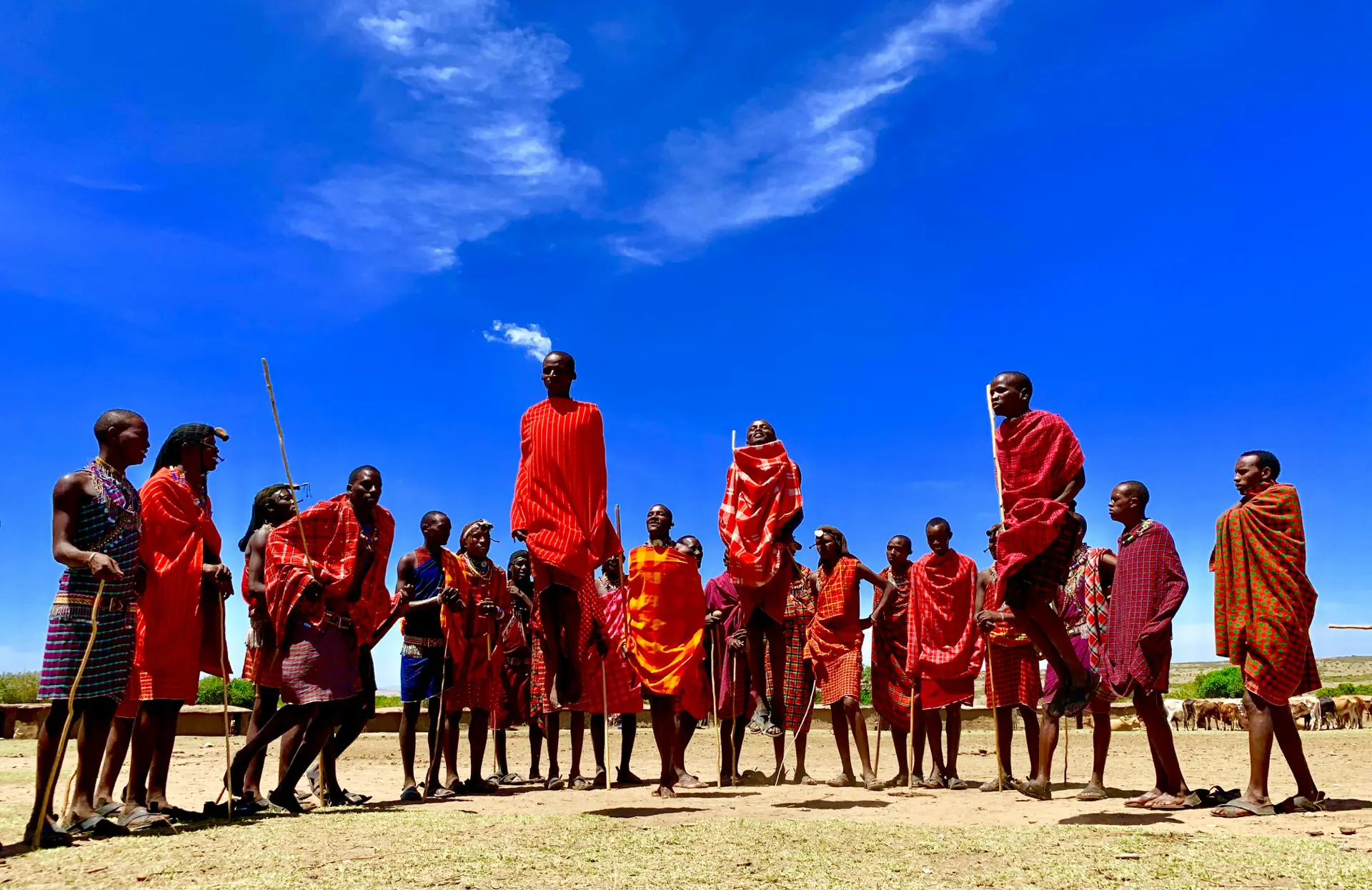
Today your journey to the Serengeti continues. The route is longer, but it rewards you with ever-changing landscapes that make the transition to one of Africa's most famous ecosystems exhilarating. As you enter the Serengeti, a vast, seemingly endless plain unfolds before you. After arriving at your lodge, you will embark on your first game drive this afternoon. The Serengeti is one of Africa's oldest and most famous protected areas, and has been a UNESCO World Heritage Site since 1981. Its name comes from the Maasai language and means something like "endless land," which aptly describes the landscape. The Maasai have inhabited the Masai Mara region of Kenya and the Serengeti in Tanzania for centuries. Their knowledge of animal movements, seasons, and natural interrelationships has developed over generations and forms an essential basis for understanding this ecosystem. Even today, they play a crucial role in conservation projects, such as community-managed reserves, which protect wildlife while ensuring the livelihoods of local communities. In some regions, the Maasai work as park rangers, accompany research projects, or monitor animal movements. Their daily lives unfold in close proximity to wildlife. Herds of cattle are driven through areas inhabited by predators, requiring a deep understanding of their behavior, distances, and natural processes. This coexistence is not without conflict, but it has been forged through experience, adaptation, and local strategies over generations, and has historically defined the region. What makes the Serengeti so special is not only the coexistence of predators and humans, but also that of prey and predators. Large herds of wildebeest, zebras, and gazelles roam the savanna, while lions, cheetahs, and leopards keep pace. This balance makes the Serengeti one of the most breathtaking places in the world for wildlife viewing.
Mosquito River – Serengeti National Park
Day 10
Narudi Tent Camp
approx. 5 h
Today your journey to the Serengeti continues. The route is longer, but it rewards you with ever-changing landscapes that make the transition to one of Africa's most famous ecosystems exhilarating. As you enter the Serengeti, a vast, seemingly endless plain unfolds before you. After arriving at your lodge, you will embark on your first game drive this afternoon. The Serengeti is one of Africa's oldest and most famous protected areas, and has been a UNESCO World Heritage Site since 1981. Its name comes from the Maasai language and means something like "endless land," which aptly describes the landscape. The Maasai have inhabited the Masai Mara region of Kenya and the Serengeti in Tanzania for centuries. Their knowledge of animal movements, seasons, and natural interrelationships has developed over generations and forms an essential basis for understanding this ecosystem. Even today, they play a crucial role in conservation projects, such as community-managed reserves, which protect wildlife while ensuring the livelihoods of local communities. In some regions, the Maasai work as park rangers, accompany research projects, or monitor animal movements. Their daily lives unfold in close proximity to wildlife. Herds of cattle are driven through areas inhabited by predators, requiring a deep understanding of their behavior, distances, and natural processes. This coexistence is not without conflict, but it has been forged through experience, adaptation, and local strategies over generations, and has historically defined the region. What makes the Serengeti so special is not only the coexistence of predators and humans, but also that of prey and predators. Large herds of wildebeest, zebras, and gazelles roam the savanna, while lions, cheetahs, and leopards keep pace. This balance makes the Serengeti one of the most breathtaking places in the world for wildlife viewing.
Your accommodation: Narudi Tent Camp
2 nights · Double room · Full board Narudi Tented Camp is a small, welcoming safari camp offering guests an authentic experience in the heart of nature. Accommodation consists of spacious, tastefully decorated safari tents equipped with comfortable beds, a private bathroom with shower and toilet, and a private terrace. The open-plan main area, with its restaurant and lounge, invites you to relax between safari activities. Freshly prepared meals are served here, and in the evening, guests can enjoy a drink while soaking up the unique atmosphere of the savanna. The camp's personalized service and small size ensure a pleasant and welcoming environment. The Narudi Tented Camp combines the charm of a classic tented camp with the comforts of a comfortable hotel, and is ideal for travelers who value a relaxed safari experience in touch with nature.
Day 11
Serengeti National Park
Narudi Tent Camp
Another day in the Serengeti offers you the chance to experience this vast ecosystem in greater depth. In the morning, you'll head out on a game drive at a time when many animals are particularly active. Afterward, you'll return to your lodge for lunch and some time to relax and reflect on the morning's experiences. In the afternoon, you'll embark on another safari by vehicle, exploring different areas of the park, each with its own unique characteristics and animal movements. Due to the vastness of the area and the constant migrations of the animals, the landscape changes daily. Herds move, predators follow them, and new encounters often occur in unexpected places. With a little patience, you may witness truly breathtaking scenes, whether it's a pride of lions resting, cheetahs hunting, or large herds moving across the plains.
Serengeti National Park
Day 11
Narudi Tent Camp
Another day in the Serengeti offers you the chance to experience this vast ecosystem in greater depth. In the morning, you'll head out on a game drive at a time when many animals are particularly active. Afterward, you'll return to your lodge for lunch and some time to relax and reflect on the morning's experiences. In the afternoon, you'll embark on another safari by vehicle, exploring different areas of the park, each with its own unique characteristics and animal movements. Due to the vastness of the area and the constant migrations of the animals, the landscape changes daily. Herds move, predators follow them, and new encounters often occur in unexpected places. With a little patience, you may witness truly breathtaking scenes, whether it's a pride of lions resting, cheetahs hunting, or large herds moving across the plains.
Day 12
Serengeti – Ngorongoro Crater – Karatu
And the Lodge
approx. 4 h
Today you leave the Serengeti and head to the Ngorongoro region. The journey takes you through breathtaking landscapes, where the vastness of the past few days gradually gives way to a greener, more mountainous environment. A highlight awaits you with the descent into the Ngorongoro Crater, where you'll spend the day observing wildlife and enjoying a picnic amidst this extraordinary scenery. The Ngorongoro Crater was formed millions of years ago by the collapse of a massive volcano and today is an almost completely enclosed caldera. Within this natural basin, a unique ecosystem has developed, providing year-round habitat for wildlife. Its limited area and existing water sources make it an ideal location for wildlife viewing. At the crater floor, expansive grasslands meet small lakes, marshes, and scattered groves of trees. Hippos frequent the watering holes, while flamingos often congregate at the shallower lakes. After their visit to the crater, they will continue their journey to Karatu. This region offers a haven of peace that contrasts with the intensity of the safari of the past few days. There, they will spend the night in their accommodation and be able to relax at the end of the day.
Serengeti – Ngorongoro Crater – Karatu
Day 12
And the Lodge
approx. 4 h
Today you leave the Serengeti and head to the Ngorongoro region. The journey takes you through breathtaking landscapes, where the vastness of the past few days gradually gives way to a greener, more mountainous environment. A highlight awaits you with the descent into the Ngorongoro Crater, where you'll spend the day observing wildlife and enjoying a picnic amidst this extraordinary scenery. The Ngorongoro Crater was formed millions of years ago by the collapse of a massive volcano and today is an almost completely enclosed caldera. Within this natural basin, a unique ecosystem has developed, providing year-round habitat for wildlife. Its limited area and existing water sources make it an ideal location for wildlife viewing. At the crater floor, expansive grasslands meet small lakes, marshes, and scattered groves of trees. Hippos frequent the watering holes, while flamingos often congregate at the shallower lakes. After their visit to the crater, they will continue their journey to Karatu. This region offers a haven of peace that contrasts with the intensity of the safari of the past few days. There, they will spend the night in their accommodation and be able to relax at the end of the day.
Your accommodation: Kudu Lodge
1 night · Double room · Full board Kudu Lodge is set in a large, beautiful garden just outside Karatu and offers a peaceful and relaxing atmosphere between safaris. Its location makes it an excellent base for visiting the Ngorongoro Crater and the national parks of northern Tanzania. The accommodation consists of comfortable chalets scattered throughout the garden, offering complete privacy. The rooms are comfortably furnished and include a private bathroom, comfortable beds, a seating area, and a private terrace overlooking the greenery. At the heart of the hotel are the restaurant, bar, and several comfortable lounge areas. A swimming pool invites you to relax after a day full of activities, while the lush garden provides a habitat for numerous species of birds and small wildlife.
Day 13
return trip
approx. 3.5 h
After breakfast, you will be transferred to Kilimanjaro International Airport. During the drive through the highlands, you will once again be captivated by the diversity of this journey. The impressions of the past few days will blend into a coherent whole, from your first moments in Nairobi, through the vast plains of the Masai Mara and the Serengeti, to the quieter, more pristine regions along your route. This adventure through East Africa, via Kenya and Tanzania, has led you to discover diverse landscapes, habitats, and cultures. You have witnessed the movement of wildlife across the vast savannas, explored unique protected areas, and experienced the lives of the local people. Many of these experiences will remain in your memory long after your trip. Your tour of Kenya and Tanzania concludes upon your arrival at the airport. INTENSIVE TRIP TO KENYA AND TANZANIA: A SMALL GROUP TOUR OF EAST AFRICA
return trip
Day 13
approx. 3.5 h
After breakfast, you will be transferred to Kilimanjaro International Airport. During the drive through the highlands, you will once again be captivated by the diversity of this journey. The impressions of the past few days will blend into a coherent whole, from your first moments in Nairobi, through the vast plains of the Masai Mara and the Serengeti, to the quieter, more pristine regions along your route. This adventure through East Africa, via Kenya and Tanzania, has led you to discover diverse landscapes, habitats, and cultures. You have witnessed the movement of wildlife across the vast savannas, explored unique protected areas, and experienced the lives of the local people. Many of these experiences will remain in your memory long after your trip. Your tour of Kenya and Tanzania concludes upon your arrival at the airport. INTENSIVE TRIP TO KENYA AND TANZANIA: A SMALL GROUP TOUR OF EAST AFRICA
Services
What's included
12 nights in a double room at the mentioned accommodation or similar.
Meals according to itinerary (some with packed lunches).
Airport transfers in Kenya and Tanzania (possibly in a shared van with other guests).
Transport in a comfortable 4x4 off-road vehicle with a pop-up roof.
Guaranteed window seat in the SUV
Accompanied by an English-speaking driver-guide with knowledge of German.
All safaris and park entrance fees as per itinerary.
All government taxes and levies
Mineral water during safaris
Reception and assistance on arrival and departure.
24-hour emergency contact option
AMREF Flying Doctors medical insurance (does not replace travel medical insurance)
Digital travel folder that includes a travel guide
Travel Price Guarantee Certificate
Small group with a maximum of 6 people.
What's not included
Individual travel to and from the destination (we are happy to put together a suitable offer)
Travel insurance (we are happy to put together an individual offer)
personal equipment
Visa and vaccinations, if required
Tips for drivers, guides and accommodation staff
Meals, drinks and activities not included in the itinerary.
Alcoholic and non-alcoholic beverages, except water.
personal expenses
Optional activities and excursions
Laundry service
Surcharges for holidays such as Easter, Christmas and New Year.
Character of the trip
Fitness
Easy
Altitude
Gentle
Culture / nature
Pure nature
This small-group safari, with a maximum of 6 people, is ideal for those who want to explore Kenya and Tanzania in depth. You will travel with an English- and German-speaking driver-guide. No special physical condition is required, but you should enjoy longer journeys and wildlife sightings in 4x4 vehicles. The trip is suitable for travelers aged 12 and over.
Dates and prices
Group dates
Single room supplement from €802 (depending on the date)
Notes on the trip
Route
Nairobi – Masai Mara – Swara Plains – Tsavo West – Mkomazi – Arusha – Tarangire – Mto wa Mbu – Serengeti – Ngorongoro Crater – Karatu – Kilimanjaro Airport (driving times of up to approximately 6 hours per day)
Notes
Itinerary changes are possible. This trip is generally not suitable for people with reduced mobility. In exceptional cases, we will gladly explore options to accommodate your needs. Please contact us.